The Evolution of League of Legends Skin Design: From Simplicity to Culture

The evolution of League of Legends skin design is a fascinating journey that reflects not only the changes within the game itself, but also the overall trends in the video game industry. Skins in League of Legends serve more than just an aesthetic makeover for characters, but are also an important element of player interaction, allowing them to express their individuality and preferences. Since the game’s launch in 2009, Riot Games has worked tirelessly to improve and diversify skin designs, which has become one of the key features that attracts millions of players around the world.
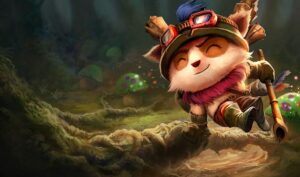
Initially, League of Legends skins were fairly simple. They were limited to changing the color palette of characters and minimal changes to animations. However, as the game grew in popularity, Riot Games realized that players wanted a deeper interaction with characters. This became the impetus for a more serious approach to skin design. The introduction of the first themed skins, such as “Halloween” or “Christmas”, gave players a taste of the holiday spirit, and added an element of fun and variety to the game.
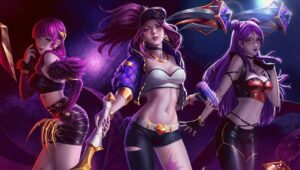
With each new season, Riot Games expanded its horizons, introducing more complex and innovative designs. Skins began to include complete reworks of models, new animations, sound design, and even unique effects. For example, skins based on well-known cultural phenomena, such as “Star Guardian” or “Battlecast”, brought pop culture elements into the game that were familiar to many players. This created a unique connection between the characters and their imagery, adding depth and context to each skin.
With each new set of skins, Riot Games also began to pay more attention to feedback from the community. Players began to share their opinions on what they liked and what they didn’t. This allowed the developers to adapt and improve their approaches to design. Skins based on iconic characters and events have become more diverse and elaborate, taking into account the preferences of the audience. This approach has not only strengthened the connection between Riot and the players, but also helped the developers create better and more attractive images.
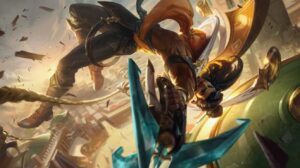
One of the most significant steps in the evolution of skin design was the introduction of “premium” skins, such as “Ultimate” and “Legendary”. These skins offer players unique features, including changes in animations, sounds, and even interactions with other characters in the game. An example is the “Elementalist Lux” skin, which changes its appearance depending on the element the player selects. This not only adds visual variety, but also creates additional strategies in the game, as players can use different skins depending on the situation.
In recent years, Riot Games has also begun experimenting with the concept of “festive” skins and collaborations with other media. The emergence of skins based on popular films, TV series, and even music artists has become a new stage in the evolution of design. These collaborations allow Riot to reach new players and expand their audience by creating unique skins that cannot be found anywhere else outside of League of Legends.
The social aspects of skin design should not be forgotten either. Riot Games actively supports various initiatives aimed at diversity and inclusivity. This is reflected in the creation of skins that reflect different cultures and traditions, which contributes to a more diverse and inclusive gaming space. Such initiatives help players identify with the characters and feel part of a global community.
From a technology perspective, skin development has also evolved significantly. Modern tools and programs for creating 3D models allow designers to create more complex and detailed skins. The use of technologies such as shaders and high-resolution textures allows for an incredible level of detail and realism. This also provides the opportunity to create unique visual effects that enhance immersion in the game.
Thus, the evolution of skin design in League of Legends is a complex and multi-layered process that reflects both internal changes in the game itself and external trends in the industry. Riot Games continues to experiment and evolve, listening to its players and adapting its approaches to skin design. This creates a unique experience for players, allowing them to not only enjoy the game, but also be part of something bigger – a community that values creativity and diversity. The evolution of skin design is not just about changing the appearance of characters, it is about creating an entire culture that continues to grow and evolve along with the game.